Every control loop has the same basic shape. Something measures the process, a controller decides what to do about it, and something physically acts on that decision. Machine learning and advanced analytics are changing how that middle step works. They're not changing the two ends. Out in the plant, in the dirt and heat and vibration, a transmitter still has to tell the truth and a valve still has to move when it's told to.
The field device is where the data is born
It's easy to talk about "the data" as if it floats in from somewhere. It doesn't. Every number a plant logs, trends, or feeds to a model was produced by a specific device at a specific spot in the process, wired or networked back to the control system. Someone chose that device. Someone picked where it would go.
That matters because a model learns from whatever it's shown. If a temperature element is responding slowly, or a flow meter is reading wrong at low rates, the model absorbs those flaws as though they were features of the process. Good software can sometimes spot a reading that disagrees with its neighbors. It can't rebuild information the device never captured in the first place.
Half the story is the valve
Most conversations about AI and instrumentation stop at measurement. That leaves out the part of the loop that actually changes the process: the final control element, usually a control valve.
Think about what an advanced controller does. It watches a measurement, predicts what will happen, and sends a command. If the valve doesn't deliver what was commanded, the whole chain falls apart. A valve with stiction sticks, then jumps. One with a worn packing or linkage has backlash, so it ignores small reversals in the signal. Either one can cause a loop to cycle back and forth, and a learning algorithm trained on that cycling may decide it's normal behavior.
Sizing is just as important. A valve that's far too large spends its life barely open, where tiny movements make big changes in flow. No amount of clever software fixes a valve that can't be positioned finely where the process actually runs.
Smart positioners turn the valve into a data source
The good news is that modern control valves don't have to be a blind spot. A digital positioner can report travel, supply pressure, and how closely the stem follows the command. Over a digital protocol such as HART, that information can reach the asset management system or the analytics layer. It lets you see friction rising or a diaphragm leaking long before the valve fails. Those diagnostics are valuable on their own. They also give an AI model what it needs to separate a problem in the process from a problem in the equipment.
One caution is worth stating plainly. Valve position feedback tells you where the stem is, not how much fluid is moving. Reading it as a flow measurement is a mistake that shows up in more plants than you'd expect.
Why the local expert still matters
Here's where the human side comes in. Selecting a transmitter or a valve is a matching exercise between the device and the real conditions: the fluid, the temperature and pressure range, the pipe layout, the plant's maintenance habits, and the consequences of a failure. Specification sheets rarely capture all of that.
An experienced instrumentation representative who knows your region and your industry fills the gap. They know what survives in a humid coastal plant, what struggles in a citrus or phosphate operation, and which valve trim stands up to a gritty or corrosive service. They can talk you out of an expensive mistake before you buy it, and they're a phone call away when a loop starts hunting at two in the morning. Valve repair, positioner setup, and calibration all go better with somebody who has done them hundreds of times.
A practical place to start
Before investing in any advanced control or analytics project, pick the five or ten loops that matter most. Check whether the measurements are accurate and well placed. Check whether the valves respond properly and are sized for the job. Fix what's weak, and the software has something trustworthy to work with.
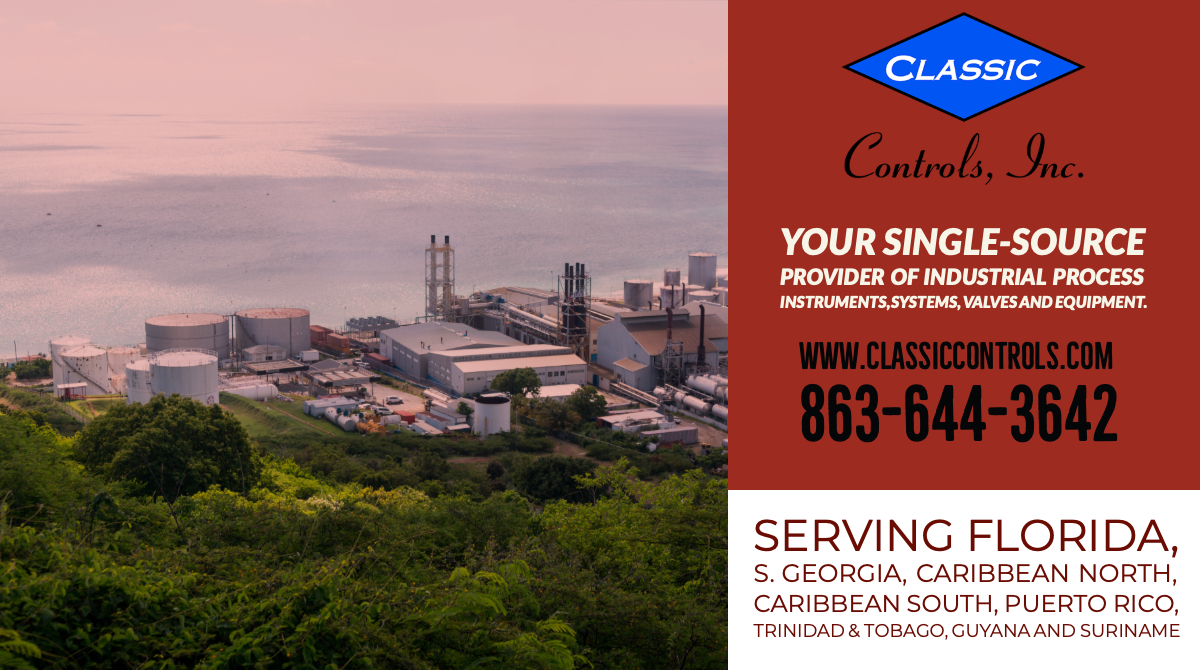
For plants across the Southeast and beyond, Classic Controls of Lakeland, Florida is a name worth knowing. They supply process instruments, control systems, asset condition monitoring, and valves, along with systems integration and valve and actuator repair, and they serve customers across southern Georgia, Florida, the Caribbean, Puerto Rico, and Central America. If your site is planning to put more decision-making in the hands of software, it's worth talking with people who know the devices at the end of the wire.