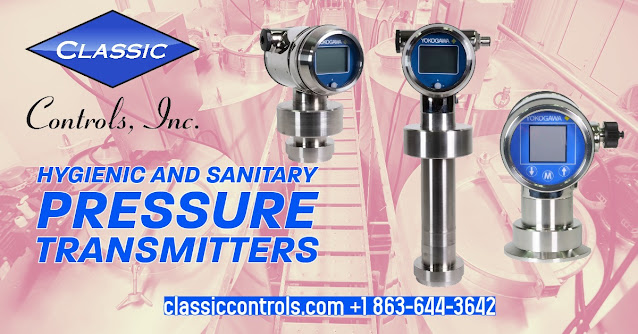
A hygienic and sanitary pressure transmitter is a specific pressure sensor designed for demanding food, beverage, and pharmaceutical uses. Given the critical nature of these sectors, these transmitters adhere to strict standards of hygiene, cleanliness, and sterility. Their central role is to measure pressure and level to ensure processes' safety, quality, and efficiency.
Constructed from stainless steel or other corrosion-resistant materials, these transmitters can withstand chemical exposure and high-temperature processes. Their materials align with industry-specific standards and certifications. The surface finish of the material is vital to prevent areas where residue or microbes could gather. Their distinctive smooth, flush design reduces the risk of crevices, dead legs, or other zones where contaminants might collect.
These pressure transmitters utilize a diaphragm or sensor that deflects under fluid pressure. Such deflection changes internal electrical properties, like those in a strain gauge or capacitive element. The transmitter converts this change into an interpretable electrical signal, usually in current or voltage form. External systems read this signal to display or regulate the measured pressure.
These transmitters aid in tank level measurement in the food and beverage sector. Positioned at a tank's base, they gauge the levels of liquids such as milk, juice, wine, or beer. As the tank fills, the hydrostatic pressure on the transmitter rises, corresponding to the depth of the liquid.
They also serve in process pressure monitoring to oversee pressure in pipes and vessels, ensuring safe and efficient operation. For example, they regulate the proper pressure during milk pasteurization for the best outcomes. They find use in bioreactor monitoring in the pharmaceutical industry, keeping the correct pressure in bioreactors for processes like cell cultivation and drug manufacturing. Any deviation could compromise the final product's quality.
Designed for clean-in-place (CIP) and sterilize-in-place (SIP) procedures, these transmitters can be cleaned and sterilized without removal. Many hygienic and sanitary pressure transmitters integrate digital communication methods, such as HART or Profibus, ensuring smooth integration with control systems for real-time data and diagnostics. Regular calibration is crucial for their consistent accuracy and dependability.
Hygienic and sanitary pressure transmitters are vital in the food, beverage, and pharmaceutical sectors. Their unique design and capabilities provide precise and consistent pressure readings, earning trust among industry experts. By maintaining optimal processing conditions, these instruments play a pivotal role in ensuring the safety and quality of final products.
(863) 644-3642
https://classiccontrols.com